
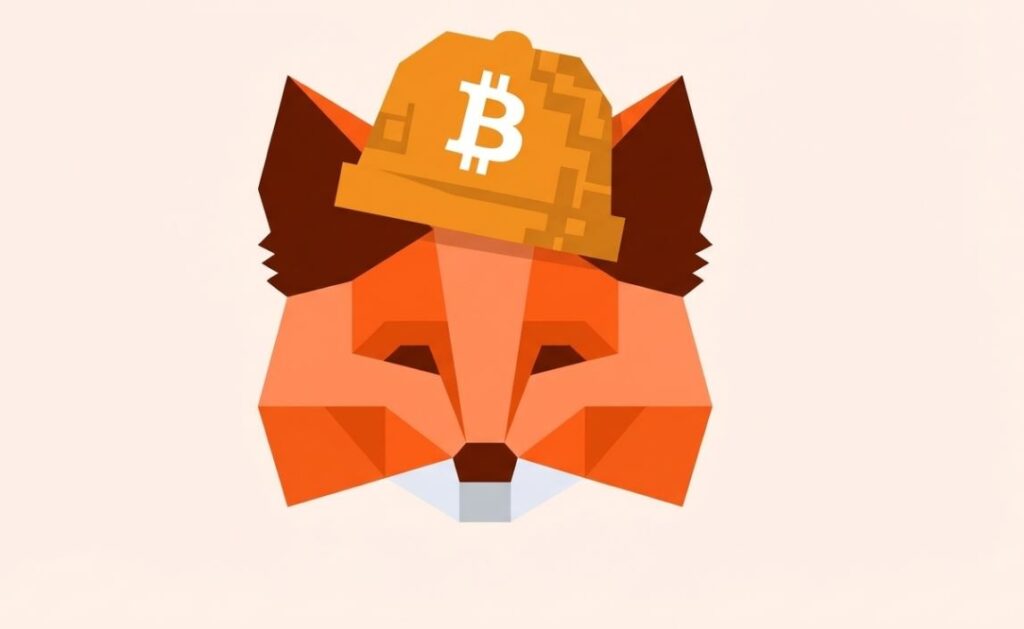
Bitcoin and Ethereum have lived in separate lanes for years. Different tools. Different wallets. Different mindsets. That wall just cracked.
MetaMask, the wallet most people associate with Ethereum, quietly flipped the switch this Monday. It now supports native Bitcoin.
That’s a big deal.
For the first time, MetaMask’s 30+ million monthly users can store, send, and receive BTC directly—no wrapping, no workarounds, no jumping between apps. Bitcoin now sits next to ETH, tokens, and Layer-2 networks inside one familiar interface. MetaMask summed it up best with a short line that says a lot: “Bitcoin has entered the chat.”
BITCOIN HAS ENTERED THE CHAT
— MetaMask.eth 🦊 (@MetaMask) December 15, 2025
MetaMask now supports BTC. 🟠 pic.twitter.com/S6ZdDStnct
This move didn’t come out of nowhere.
Users have been asking for true multi-chain support. Competing wallets are already racing in that direction. And Bitcoin’s Layer-2 ecosystem is finally heating up. MetaMask read the room and acted.
By adding Bitcoin, MetaMask is stepping beyond its old identity as just an Ethereum gateway. It’s clearly aiming to become a universal Web3 wallet—one place to manage the two biggest blockchains in crypto without friction.
Why does this matter?
Because convenience drives adoption. When users don’t have to switch wallets, copy addresses, or manage different tools, they participate more. That could bring more everyday users back to Bitcoin while opening the door to deeper connections between BTC and DeFi.
And this may only be the beginning.
If MetaMask eventually supports Bitcoin Layer-2 networks, things get even more interesting. That would lower the barrier for Bitcoin-based smart contracts and cross-chain apps—something developers have wanted for years.
Bottom line: MetaMask adding native Bitcoin isn’t just a feature update. It’s a signal. Wallet wars are heating up. Multi-chain is no longer optional. And Bitcoin just became easier to use for millions of people overnight.