
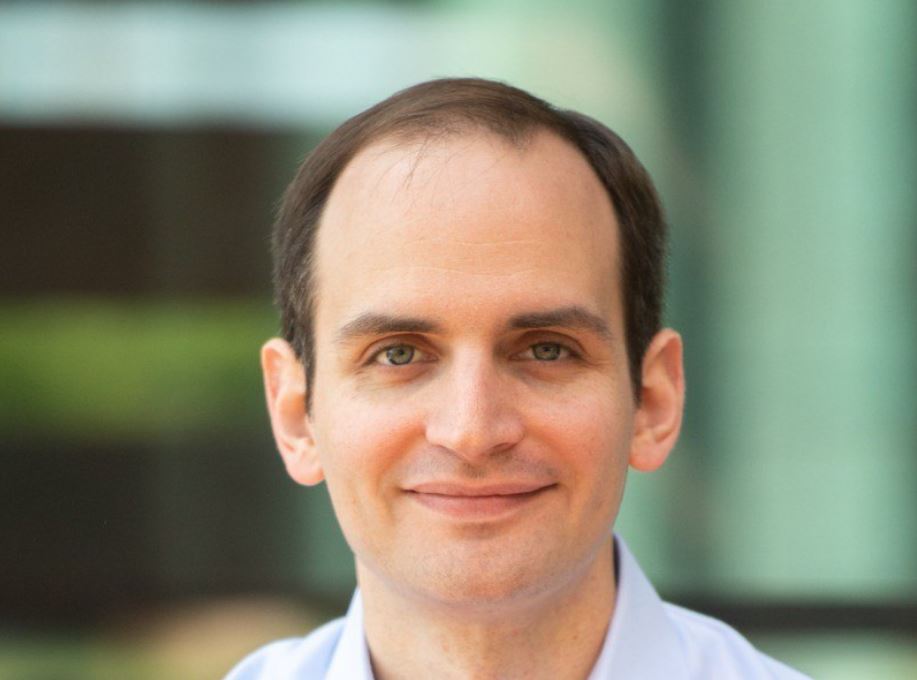
Harrison has raised $35 million for his startup, Architect Financial Technologies, a platform designed for institutional traders operating across derivatives, equities, futures, and digital assets. The goal is simple but ambitious: build professional-grade infrastructure that connects traditional finance with crypto markets.
According to The Information, the funding round included heavyweights like Miax, Tioga Capital, ARK Investment, Galaxy, and VanEck. This comes after a $12 million raise in 2024, backed by Coinbase Ventures, Circle Ventures, and SALT Fund—signaling consistent investor confidence despite the industry’s recent turbulence.
Brett Harrison, Former FTX US President is launching a 'regulated' CEX for Perps (I am blocked)
— Sunil (FTX Creditor Champion) (@sunil_trades) October 30, 2025
FTX creditors remember that:
July 2022: Brett Harrison tweeted and said that deposits to FTX US were FDIC insured under user names, stocks are held in FDIC insured brokerage accts.… pic.twitter.com/cB0m9czYdQ
Architect has already cleared an important hurdle: regulatory approval in Bermuda. This allows the firm to offer perpetual futures contracts tied to traditional assets such as stocks, commodities, and foreign currencies. These instruments—first popularized in crypto by BitMEX and later scaled by FTX—remain one of the most actively traded products in global markets.
So why does this matter?
Because derivatives dominate finance. The notional value of global derivatives runs into the hundreds of trillions of dollars, far exceeding global GDP. And crypto has fully embraced them—derivatives account for 75% to 80% of total trading volume on major exchanges.
Architect is targeting professional and institutional traders, offering algorithmic trading, advanced risk management, and multi-asset derivatives support. In other words, it’s not built for retail speculation—it’s built for scale.
The company plans to expand beyond Bermuda into Europe and the Asia-Pacific region, aiming to capture rising institutional demand for compliant, high-liquidity trading infrastructure.
Still, challenges remain. A recent S&P Global report highlighted liquidity as a persistent issue across derivatives markets. And in crypto, leverage cuts both ways—something the market was reminded of during the Oct. 10 liquidation event, when $19 billion was wiped out in a single day, the largest such event on record.
The takeaway?
Investor appetite for crypto-linked derivatives infrastructure hasn’t disappeared—it’s matured. Capital is now flowing toward platforms that prioritize regulation, liquidity, and institutional-grade tools. Architect’s latest funding round is a clear signal that the next phase of crypto market growth will be built on structure, not hype.