Bhutan just made a bold move at the intersection of tradition and technology.
Gelephu Mindfulness City (GMC), a special administrative zone in Bhutan, has announced the launch of TER, a sovereign, gold-backed digital token issued on the Solana blockchain. The physical gold behind the token will be custodied by DK Bank, a government-regulated digital asset bank, giving the project institutional-grade backing from day one.
The technical heavy lifting is handled by Matrixdock, which is responsible for tokenizing the gold as a real-world asset onchain. In the initial phase, TER tokens will remain under bank custody, with broader access planned later. Exact launch timelines haven’t been disclosed.
Digital Gold, Built for the Internet Age
GMC says buying TER is designed to feel as secure and familiar as purchasing physical gold through a major financial institution—but with the added benefits of blockchain. The goal is simple: create a digital hedge against inflation while keeping sovereign control over reserves.
In other words, this isn’t crypto experimentation for its own sake. It’s monetary strategy.
Bhutan’s Crypto Playbook Is Already in Motion
This launch fits neatly into Bhutan’s broader blockchain push. For years, the Himalayan kingdom has used crypto to modernize payments, attract tourism, and diversify national reserves.
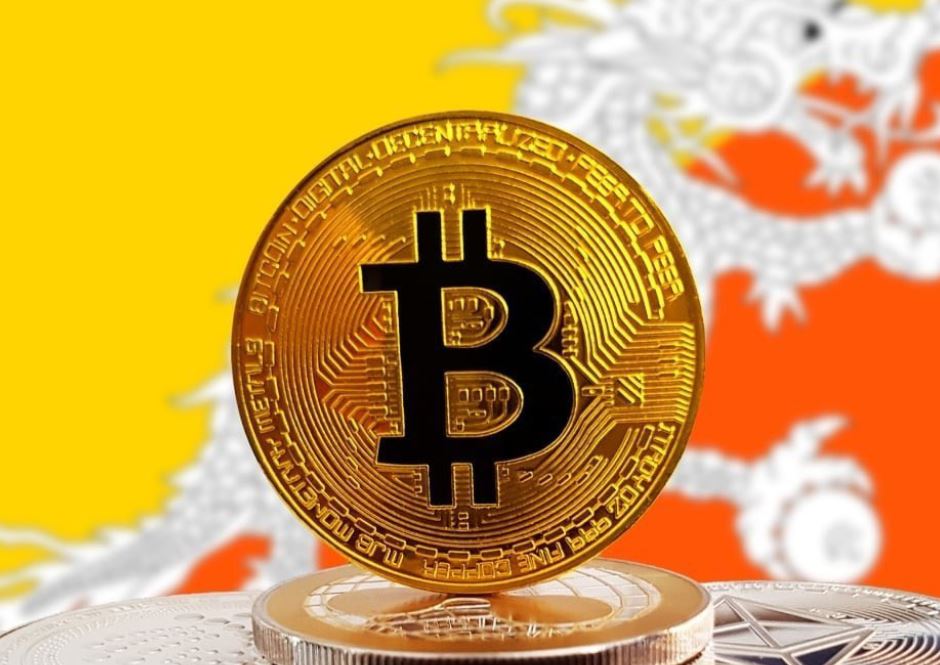
Bhutan has been mining Bitcoin since 2019, powered by its abundant hydroelectric energy. Today, the country holds nearly 6,000 BTC, worth more than $540 million, according to Arkham Intelligence—making digital assets a meaningful part of state reserves.
Earlier this year, GMC also unveiled a digital asset reserve that includes Bitcoin, Ethereum, and BNB. That reserve later expanded to include smaller allocations to meme coins and other altcoins, signaling a willingness to engage across multiple blockchain ecosystems.
Crypto as Infrastructure, Not Speculation
In May, Bhutan partnered with DK Bank and Binance Pay to enable crypto payments for tourists. The result: over 1,000 local businesses now accept crypto, solving long-standing payment infrastructure gaps that limited tourism growth.
Damcho Rinzin, director of Bhutan’s Department of Tourism, said crypto payments help overcome barriers created by limited banking access and card acceptance.
The TER token takes that strategy a step further. Bhutan isn’t just using crypto for payments—it’s issuing sovereign-backed, tokenized assets.
The Bigger Picture
Most countries are still debating whether crypto belongs in the financial system. Bhutan is already building it.
By launching a gold-backed token on Solana, Bhutan is blending hard assets, blockchain efficiency, and state credibility into a single instrument. TER isn’t just digital gold—it’s a signal that Bhutan sees tokenization as part of its economic future, not a side experiment.
And in a world searching for stable value in a digital economy, that’s a smart place to be.