
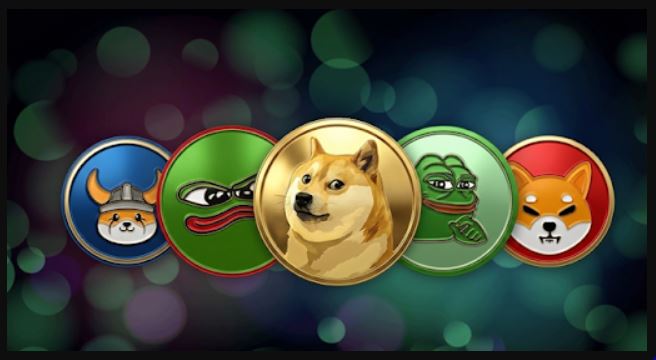
Meme coins may be out of favor, but they’re far from finished. According to Keith A. Grossman, president of crypto payments firm MoonPay, the recent market downturn doesn’t signal the end of meme coins, it signals their next evolution.
The Real Innovation Behind Meme Coins
Grossman argues that the true breakthrough of meme coins isn’t speculation—it’s the tokenization of attention. For the first time, blockchain makes it possible to turn attention into an asset cheaply and at scale, opening the door to a more democratic attention economy.
Before crypto, attention was largely captured by platforms, brands, and a small group of influencers. Everyone else created value through likes, trends, jokes, and communities, but received nothing in return. That economic value stayed locked inside centralized platforms. Meme coins changed that dynamic by giving communities a way to own and monetize attention directly.
Grossman compared today’s pessimism around meme coins to the early 2000s, when many declared social media dead after the first wave of platforms failed.
What followed was a new generation of companies that transformed social media into a global cultural force. He believes tokenized attention markets could follow the same path.
Meme coins were one of the best-performing crypto sectors in 2024, dominating investor narratives. But the hype eventually collapsed under the weight of poor design, insider-heavy launches, and high-profile implosions.
The sector unraveled in early 2025 after several tokens were labeled rug pulls. A meme coin launched by U.S. President Donald Trump ahead of his January 2025 inauguration surged to $75 before crashing over 90%. In February, Argentine President Javier Milei endorsed the LIBRA social token, which later collapsed, leaving 86% of holders with losses exceeding $1,000.
These failures triggered lawsuits, government investigations, and widespread skepticism about whether meme coins have any real future.
Despite the wreckage, Grossman believes the core technology still works. Cheap, permissionless tokenization of attention remains powerful, the problem wasn’t the concept, but the execution.
The next generation of meme coin projects will need to fix what broke the first wave:
- Fairer token distribution
- Sustainable economic models
- Value flowing back to participants, not just early insiders
The Takeaway
Meme coins didn’t fail because attention has no value. They failed because the incentives were broken. If builders can design systems that reward communities instead of exploiting them, meme coins may return—not as hype-driven gambles, but as a new layer of the digital attention economy.